

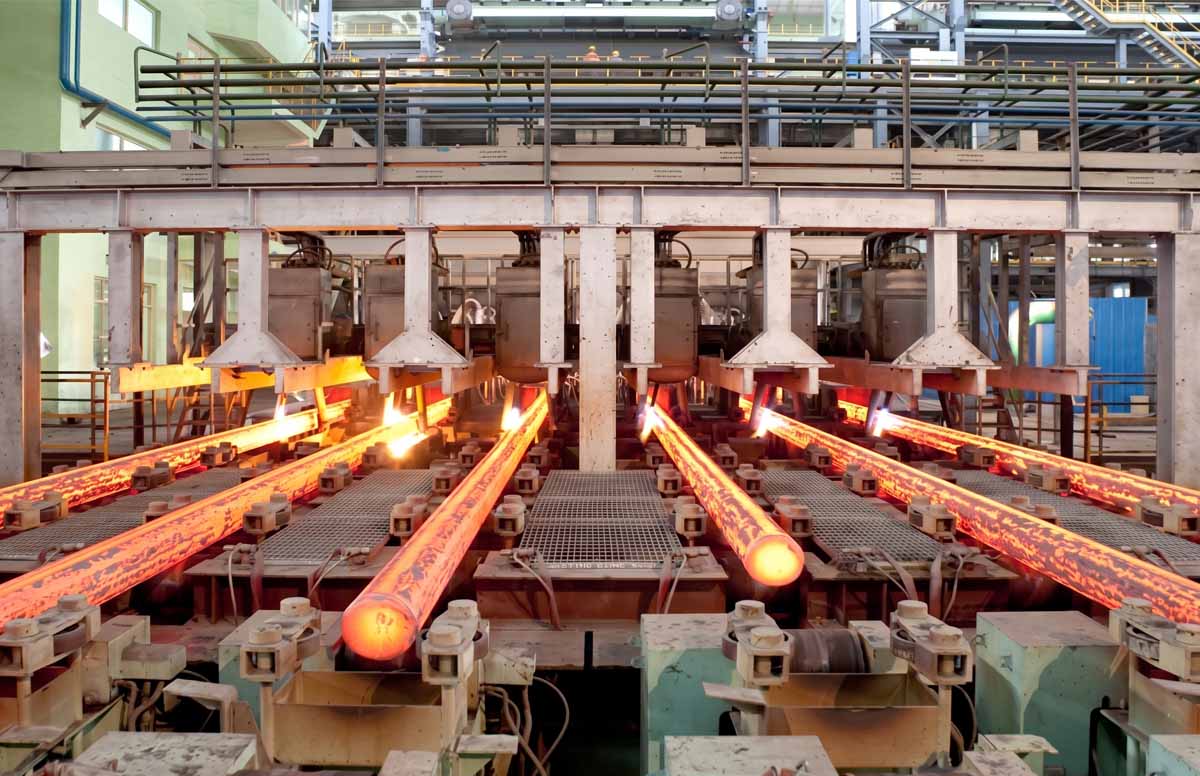
Continuous Casting Facilities
Continuous casting transforms molten metal into solid on a continuous basis and includes a variety of important metallurgical processes. These processes are the most efficient way to solidify large volumes of metal into simple shapes for subsequent processing. Most basic metals are mass-produced using a continuous casting process.
Continuous casting not only offers a high level of productivity and yield but also improved quality. The research and development work in the continuous casting field is continuing intensively because the requirements for steel quality from customers become all the time stricter and the energy efficiency, productivity, and ecological aspects are of increasing importance. One important aim of the process development has been to construct lower and simpler machines with smaller needs for space, low investment costs, and high flexibility in production and maintenance.
Computational simulation and modeling of different phenomena in casting have greatly helped to solve practical problems in industrial casters and to improve process practices and control.
The principle of the continuous casting method is simple (see Figure below). The liquid steel in a ladle is transferred to the casting machine. When the casting operation starts, the nozzle at the bottom of the ladle is opened and the steel flows at a controlled rate into the tundish and from the tundish through a submerged entry nozzle (SEN) into one mold or several molds. The molds are generally water-cooled copper molds. The first solidification takes place at the metal/mold interface. The thickness of the solidified shell increases progressively when it is withdrawn through the machine. At the mold exit, the shell must be thick enough to support the liquid pool. Below the mold, the shell is cooled by spraying water. The mold cooling is called the primary cooling and the spray cooling the secondary cooling. At the machine end, the strand is cut off and transferred to a rolling mill.
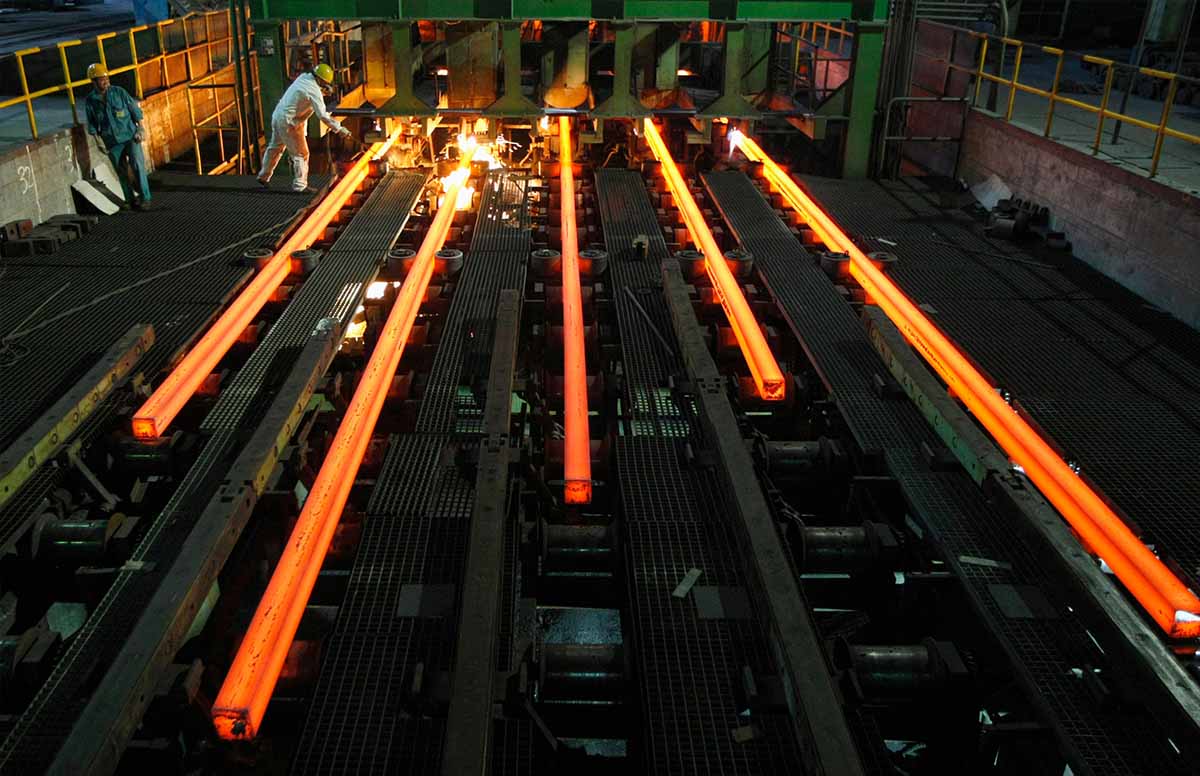
A billet is a semi-finished product produced by the continuous casting process (billet casting machine) to be used in the production of small structural bars, wire, and other long products. Billets are generally square in cross-section but can also b.. View
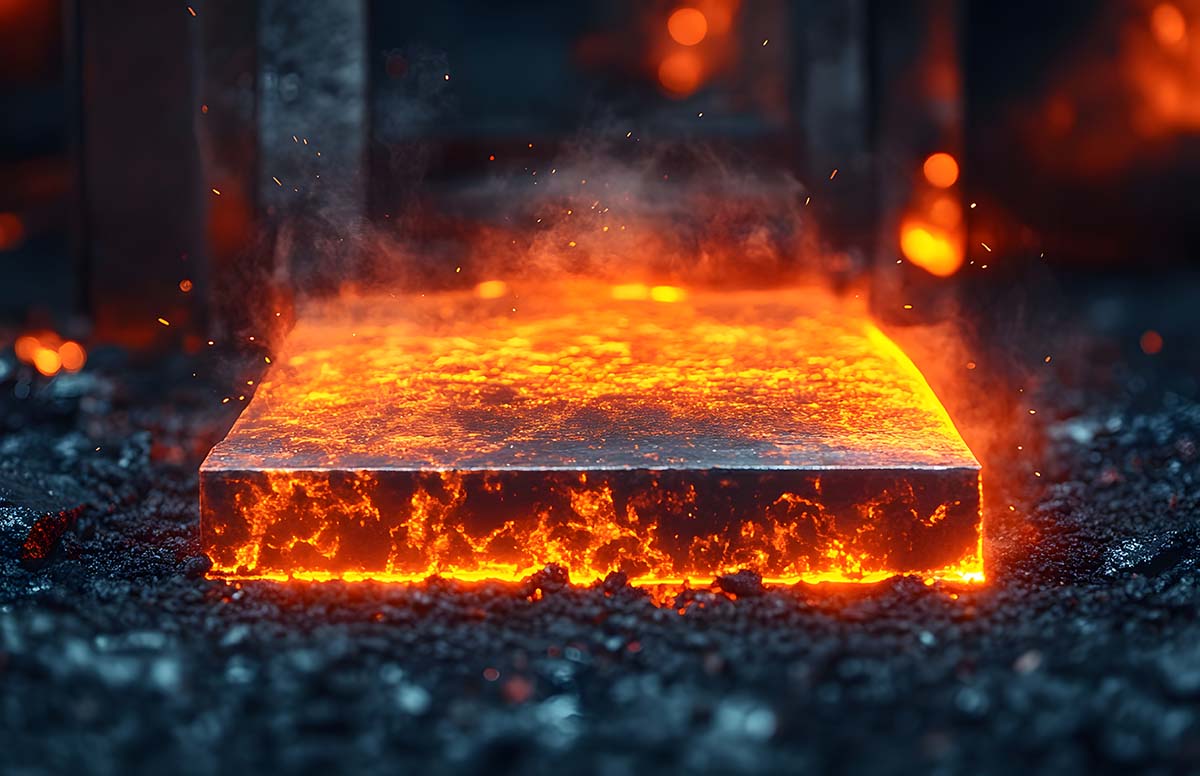
A slab is a semi-finished flat product produced by the continuous casting process, also known as slab casting or strip casting. It is further processed in a hot strip mill to be rolled into plate and/or strip. View